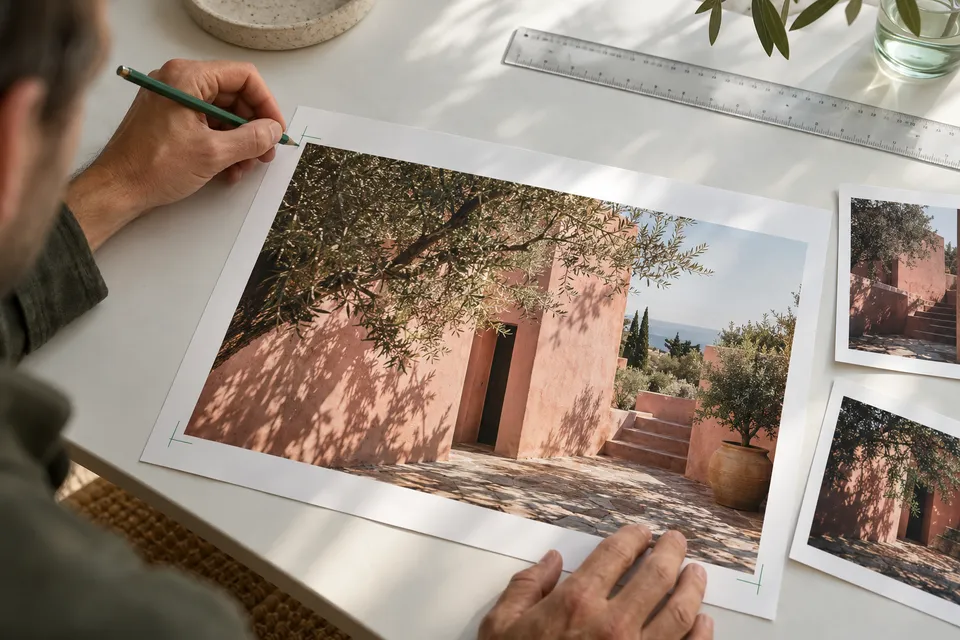
The overlooked height
Hold your distance from the subject, then change your height. Compare how a doorway, a person and a patch of light relate in each version.
Light, observation and visual narrative
Furevalino connects everyday observations with intentional picture stories. Move between daylight, printed edits and shared looking to discover what your photographs are really saying.
01 / An intentional beginning
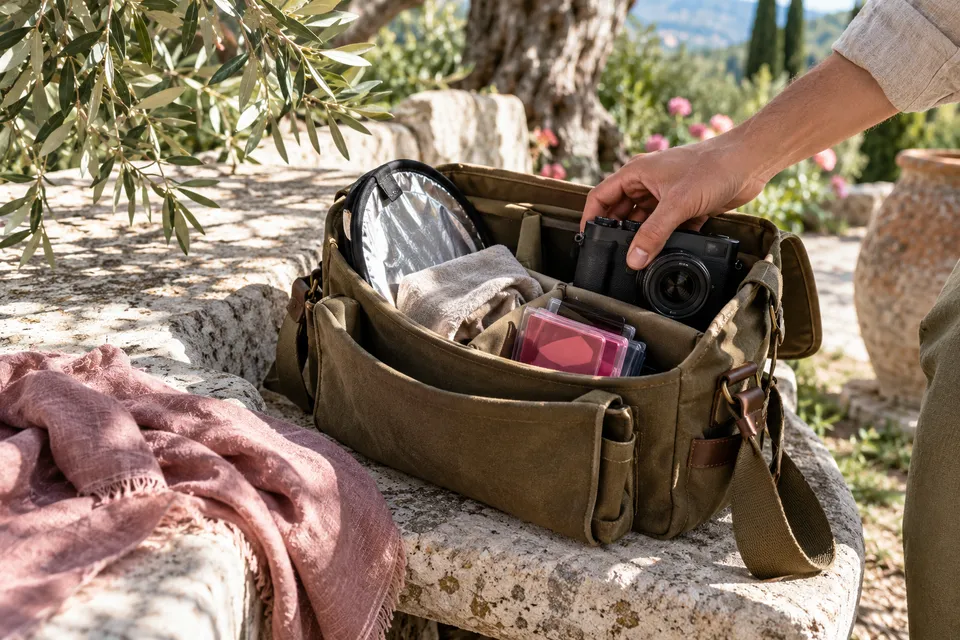
Spend a little longer with one window, street corner or workbench. The changing light and repeated gestures often provide a richer beginning than a search for a dramatic subject.
02 / Working modes
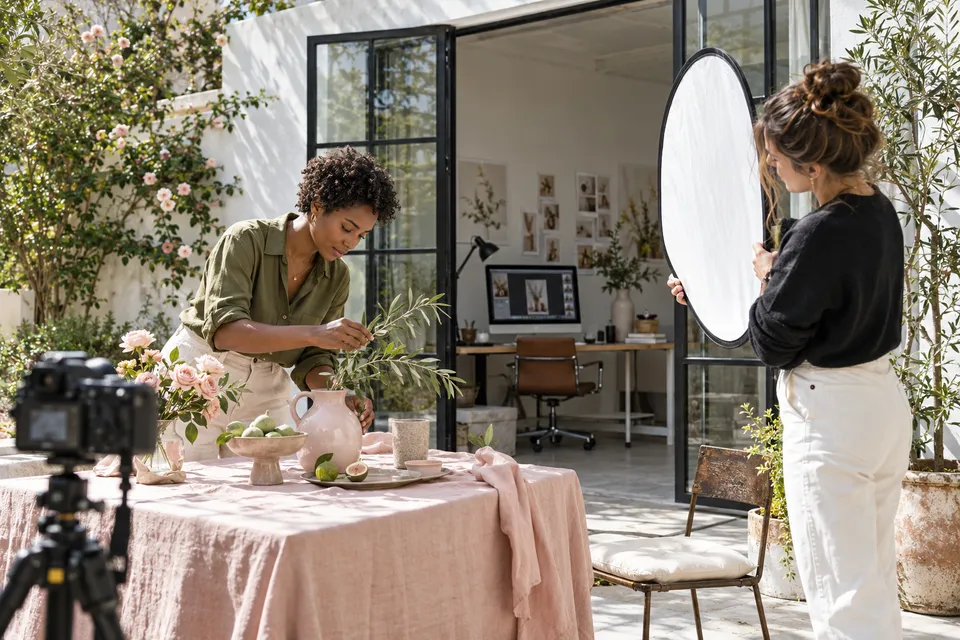
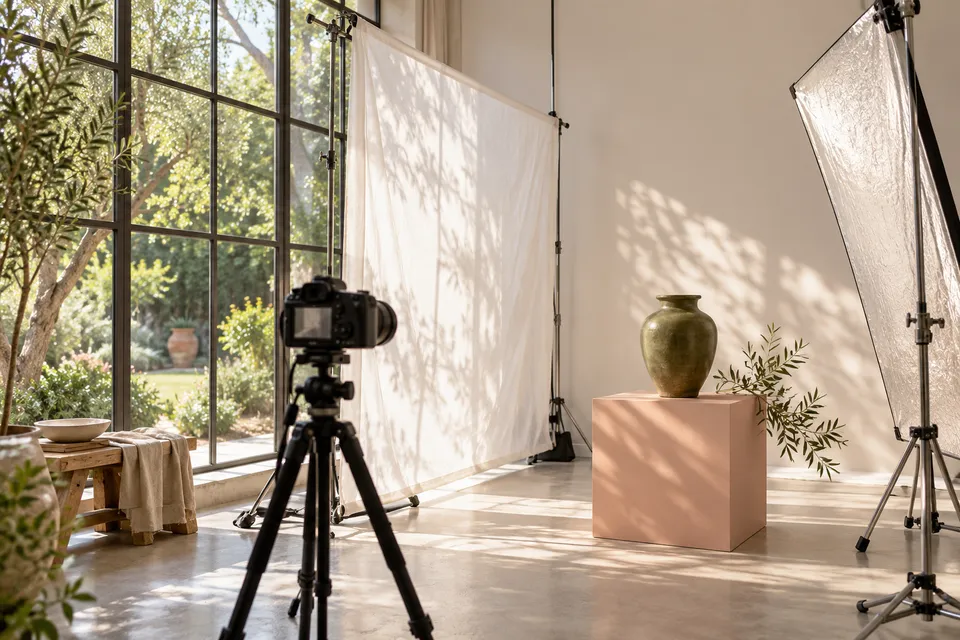
An observation becomes an experiment when you can name what changed. Compare a viewpoint, a shadow or an image order while allowing the remaining conditions to settle.
Hold your distance from the subject, then change your height. Compare how a doorway, a person and a patch of light relate in each version.

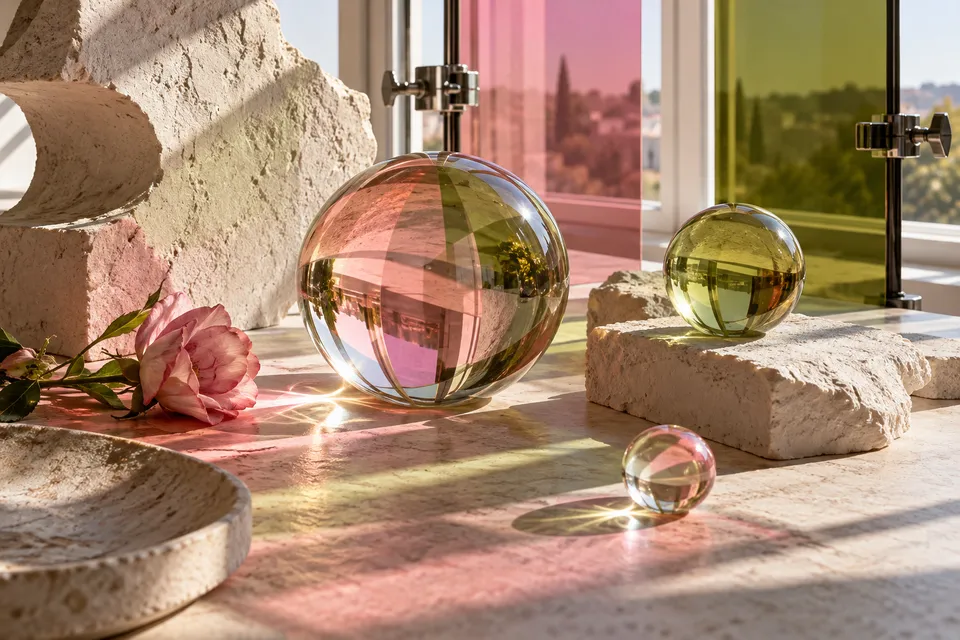
Return to a small scene at two different times. Describe the direction and softness of the light before deciding which version carries your intended mood.
Remove the most immediately attractive picture from the sequence. If the narrative becomes clearer, identify which job that picture had failed to do.
03 / A photographic atlas
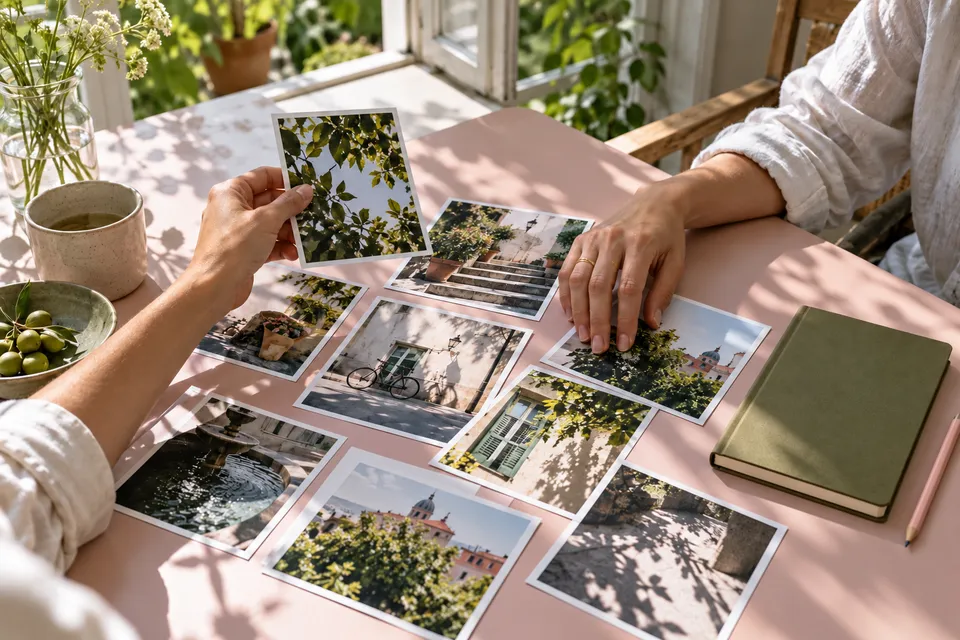
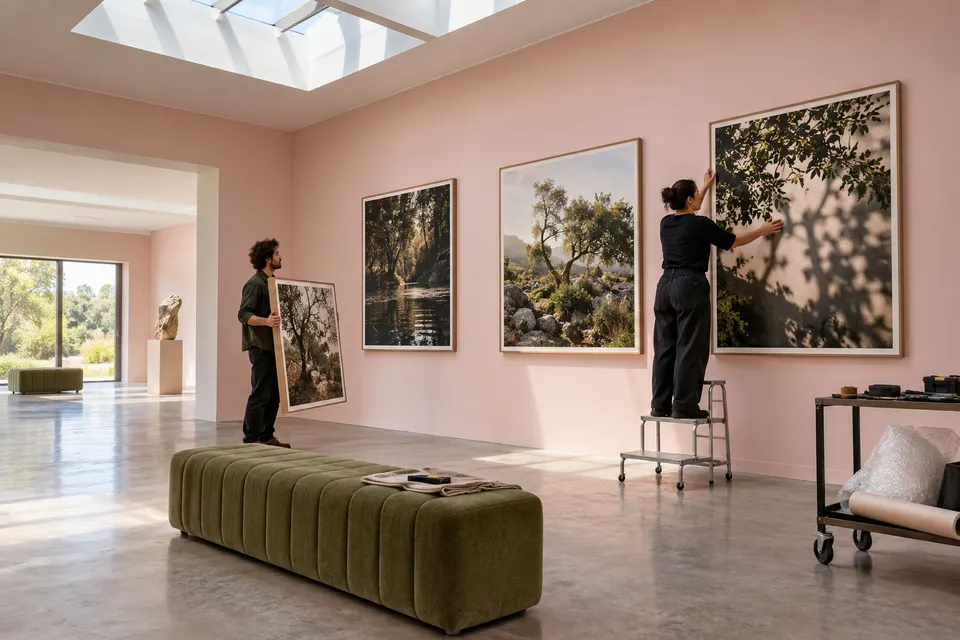
A story can move from setting to gesture to trace. Let the reader approach gradually, and resist filling every photograph with the same amount of information.


04 / Narrative structure
Separate establishing images from moments of discovery. A useful sequence has turns, pauses and an ending that belongs to the experience you documented.
Photograph a familiar work surface from seated eye level and record what becomes visible.
Compare a bright interval with soft cloud cover without changing exposure automatically.
Place the same quiet image at the beginning and at the end of a short sequence.
Include enough of a room to locate a gesture while allowing part of the space to remain unseen.
Photograph a familiar work surface from seated eye level and record what becomes visible.
05 / Working outcomes
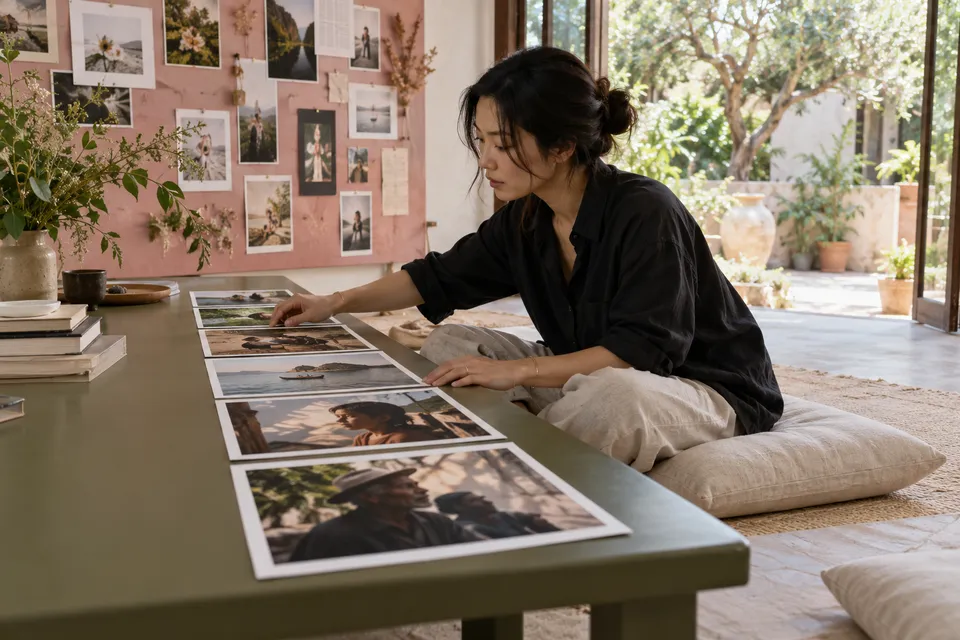
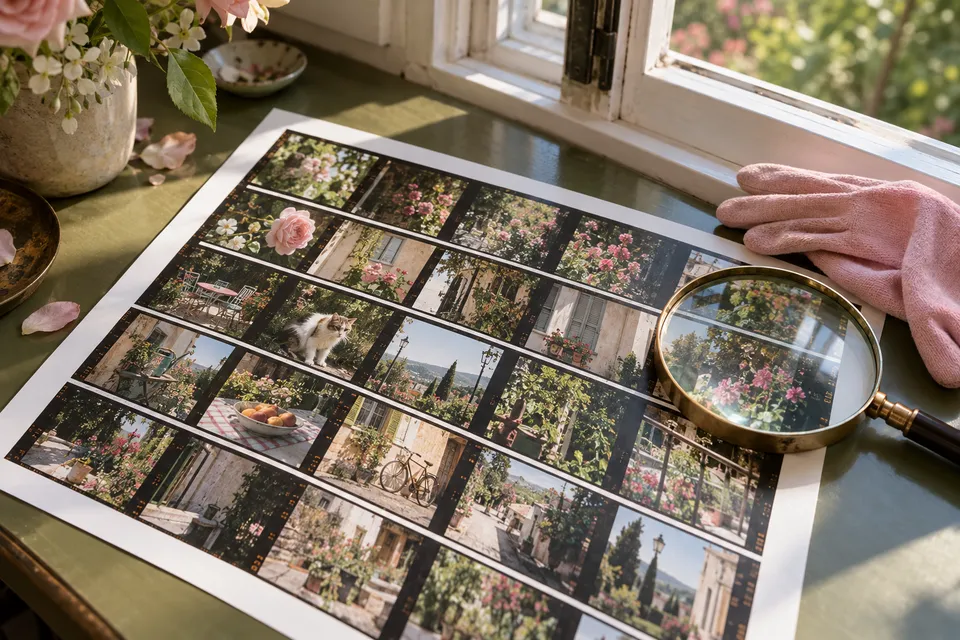
Present the contact sheet beside a concise selection. Mark what was removed and explain the relationship that became stronger when the extra frame disappeared.
Remove the most immediately attractive picture from the sequence. If the narrative becomes clearer, identify which job that picture had failed to do.
Hold your distance from the subject, then change your height. Compare how a doorway, a person and a patch of light relate in each version.
Return to a small scene at two different times. Describe the direction and softness of the light before deciding which version carries your intended mood.
06 / Reference prompts
Use the filters to pick an exercise for the light or distance available to you today. A limited setting can produce a surprisingly precise question.
4 prompts available
Photograph a familiar work surface from seated eye level and record what becomes visible.
Compare a bright interval with soft cloud cover without changing exposure automatically.
Place the same quiet image at the beginning and at the end of a short sequence.
Include enough of a room to locate a gesture while allowing part of the space to remain unseen.

08 / Shared looking
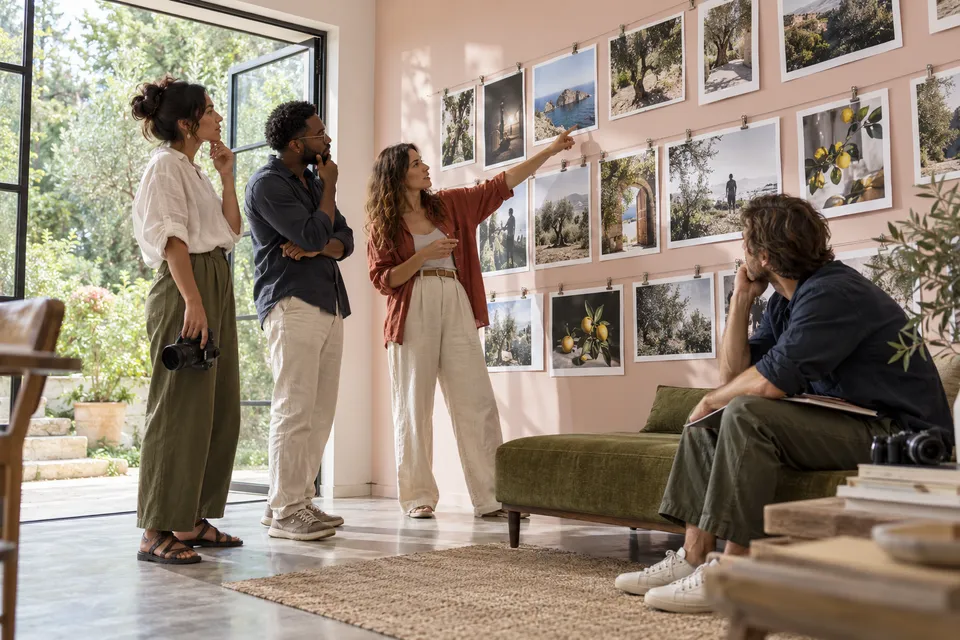
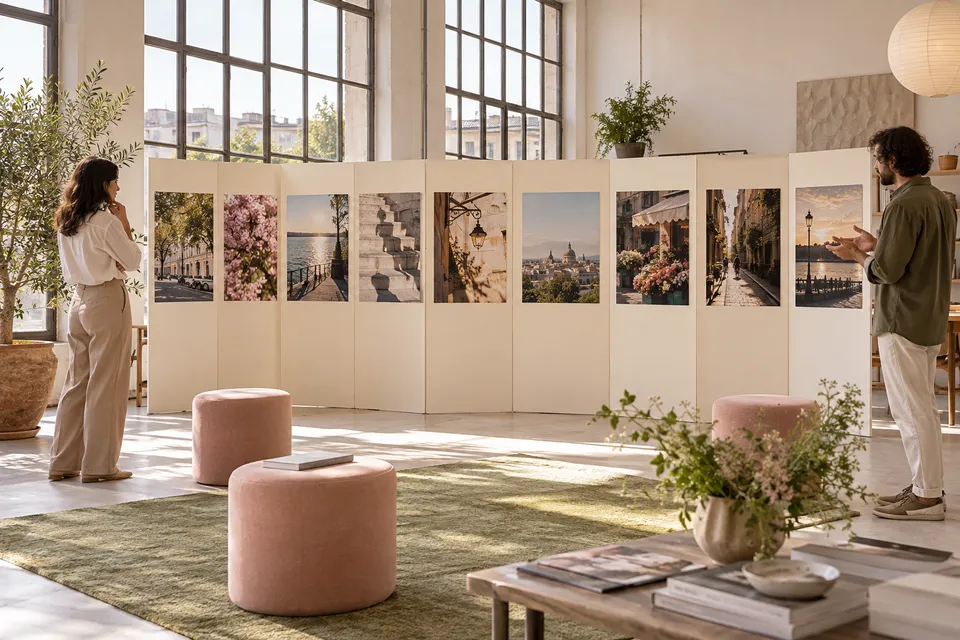
Show the pictures before describing the project. Ask what the viewer noticed first, where their attention slowed, and which transition felt abrupt.
09 / Questions
The strongest response to uncertainty is often another small observation. Use these answers to choose a manageable next step.